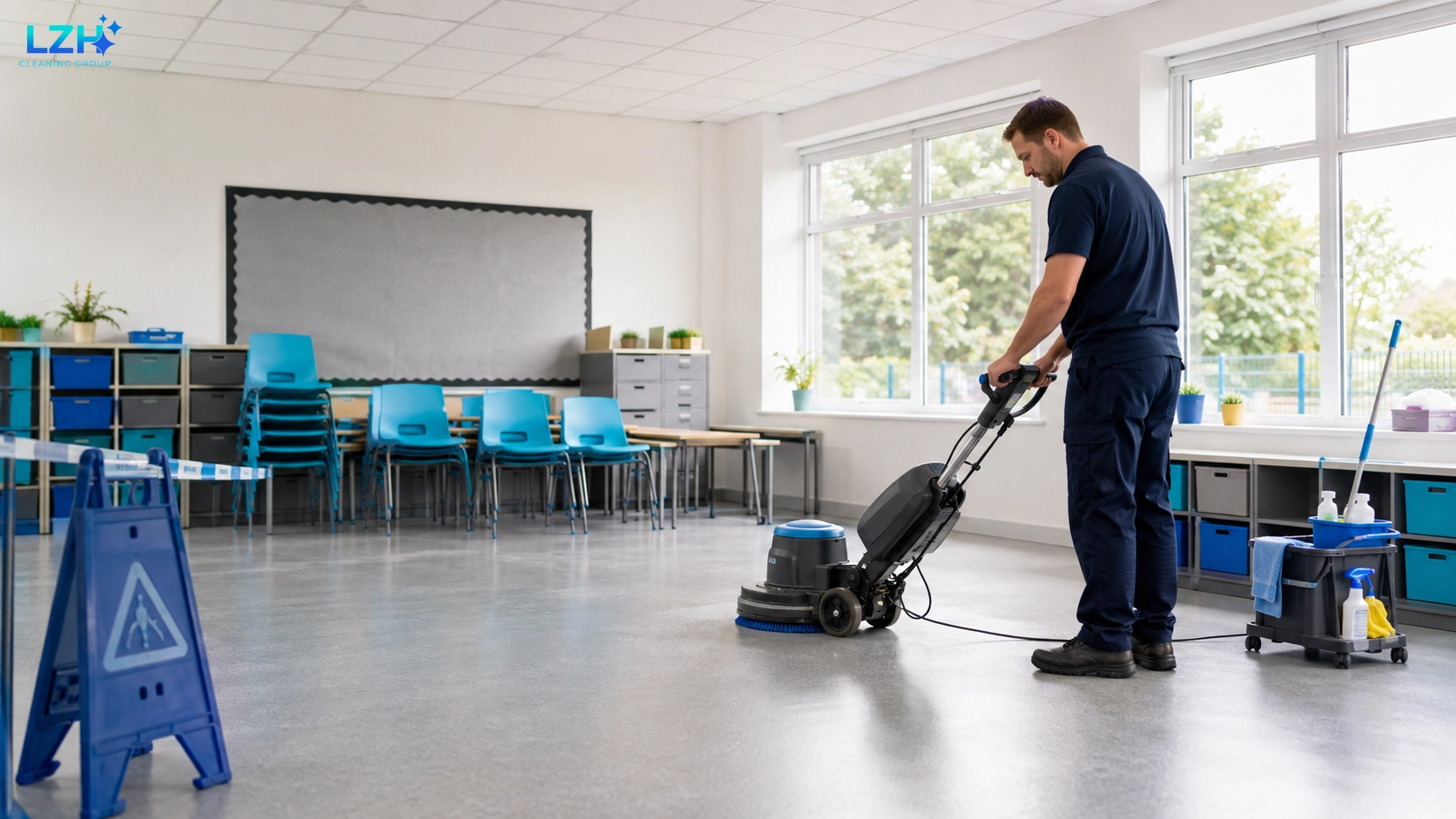
Your School Deep Cleaning Checklist Is Probably Missing These Areas
Planning a school holiday deep clean? Use this school deep cleaning checklist to cover overlooked areas, floor care, washrooms, storage spaces and more.

TL;DR: Commercial cleaning quality checks help businesses confirm that every visit meets the agreed standard, from washrooms and high-touch surfaces to floors, bins, kitchens, and site-specific tasks. A simple post-visit review can prevent repeated issues, improve reliability, and make it easier to hold cleaning providers accountable.
Key Takeaways
A workplace can appear clean at first glance, but missed details such as dusty surfaces, neglected touchpoints, or poorly stocked washrooms often reveal the true standard of cleaning. These small oversights can quickly affect standards.
Commercial cleaning quality checks help businesses confirm that agreed tasks are completed properly and consistently after each visit. They provide a simple way to maintain hygiene, safety, and presentation standards without relying on assumptions.
Many businesses only pay attention to cleaning standards when a problem becomes obvious, such as dusty reception areas, poorly maintained washrooms, or overflowing bins. By that point, the issue has already impacted its perceptions.
Regular post-visit checks help catch small issues before they become recurring problems and keep expectations clear between the business and the cleaning provider. A quick review of key areas, hygiene, safety, and site-specific requirements can confirm whether standards are maintained consistently.
Before reviewing a cleaning visit, make sure there is a clear cleaning specification in place so you can assess the work against agreed tasks rather than assumptions. A written cleaning scope might cover:
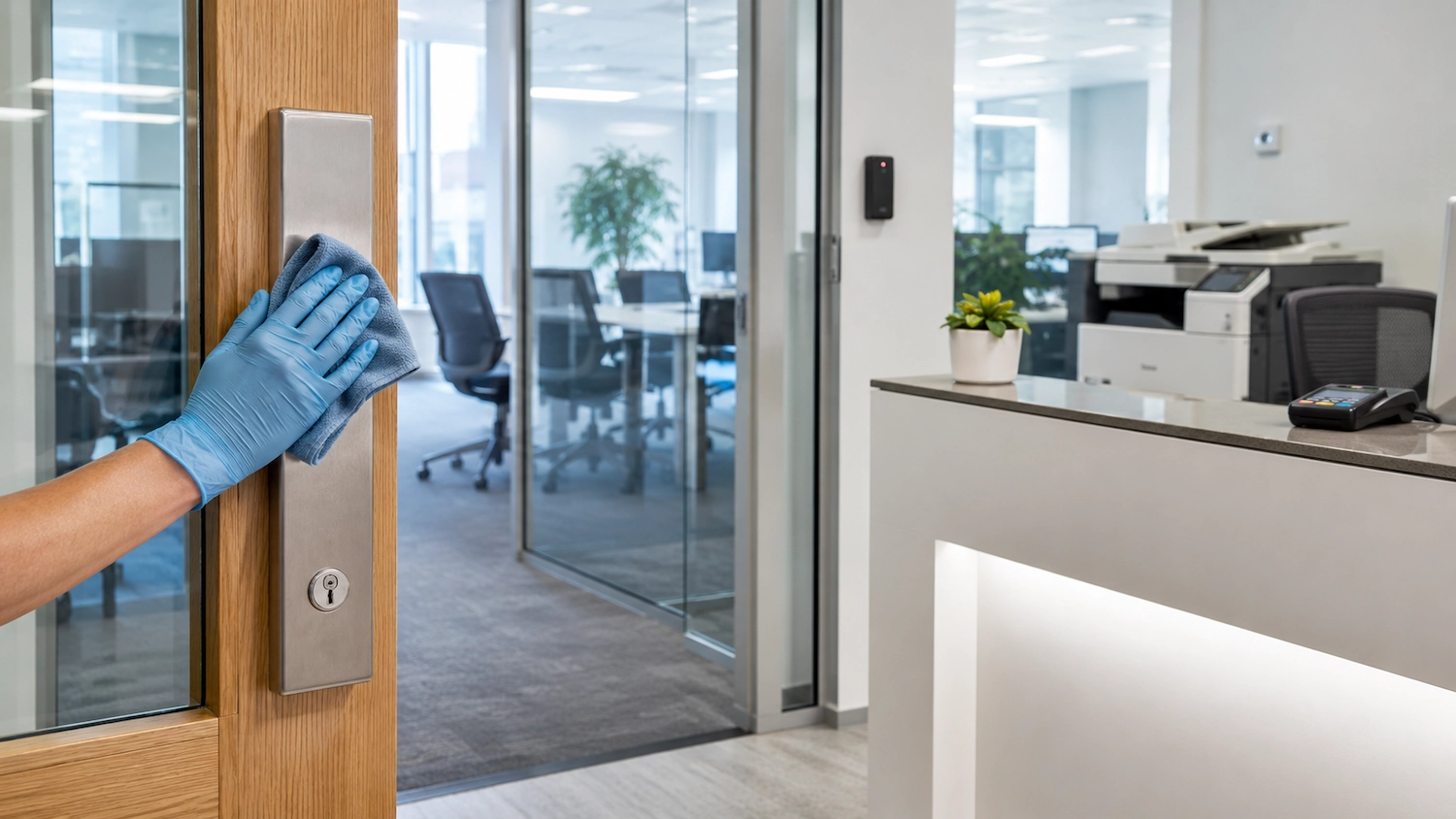
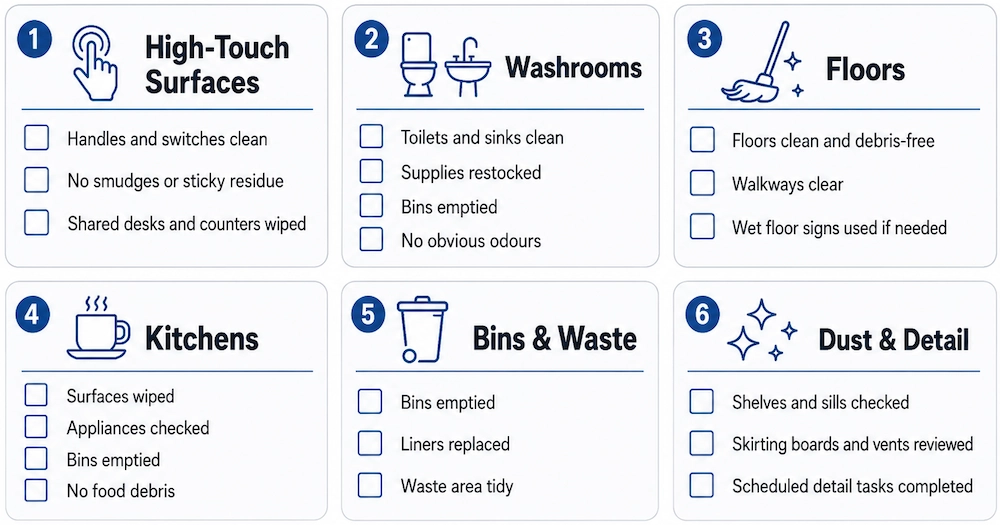
High-touch surfaces should always be reviewed after a cleaning visit because frequent use allows dirt, fingerprints, grease, and germs to build quickly. Areas like door handles, light switches, handrails, shared desks, reception counters, and kitchen touchpoints often reveal cleaning standards first.
A quality check should look for marks, smudges, sticky residue, and signs of incomplete cleaning. When high-touch points are missed, it can indicate that the cleaning focused on appearance rather than maintaining proper hygiene standards.
Washrooms are often one of the first places people notice when assessing cleanliness, as they directly affect comfort and overall impressions of a workplace. Because they are used frequently throughout the day, even small issues can quickly stand out to staff and visitors.
After each cleaning visit, key areas such as toilets, sinks, mirrors, floors, bins, dispensers, and touchpoints should be checked to ensure they meet the expected standard. Supplies should be stocked, and recurring odours may indicate missed cleaning tasks.
Floors affect both appearance and safety, so entrances, corridors, stairs, kitchens, warehouses, reception areas, and walkways should be checked after every cleaning visit. Checks should confirm that floors are clean, safe, and properly maintained.
Safety checks matter too. Wet floors should be signposted where needed; equipment removed, and access routes kept clear. Reviews should also reflect the environment, whether that means carpeted offices, tiled washrooms, warehouse floors, or polished reception areas.
Staff kitchens, break rooms, and shared refreshment areas can become untidy quickly, making cleaning standards easy to judge. After each visit, key surfaces and fixtures should be checked to ensure they have been cleaned properly.
Sticky surfaces, food debris, overflowing bins, and unpleasant odours are clear signs the area needs more attention. Keeping these spaces consistently clean helps create a more pleasant environment and shows staff that their shared areas are being properly maintained.
Missed bins are often a clear sign that a cleaning visit was not completed properly. A post-cleaning check should confirm that bins have been emptied, liners replaced where needed, and waste areas left clean and organised.
If external or shared bin areas are included in the service, they should also be checked for loose rubbish, overflowing bags, or blocked access. While waste checks may seem simple, repeated issues can indicate wider problems with cleaning consistency and attention to detail.
The difference between an acceptable clean and a high-quality clean often lies in the details, such as dust on windowsills, skirting boards, shelves, and vents. These areas can quickly affect the overall appearance of a workplace and should be included in regular quality checks.
While detail cleaning may not be done on every visit, it should still be checked to ensure it is completed on schedule. Dust can affect presentation, comfort, air quality, and even safety in some environments, making these checks an important part of maintaining consistent standards.
Not every commercial space needs the same quality checks, as different premises have different cleaning priorities and operational requirements. A generic checklist helps, but quality control should also cover site-specific tasks and recurring requirements.
A reliable cleaning service is measured by consistency over time, not by one good visit. Reviewing quality checks regularly helps businesses spot recurring issues, changing standards, and areas that may need closer attention.
Patterns such as repeated missed tasks, declining standards, or unresolved complaints can reveal deeper problems with training, staffing, or the cleaning plan itself. Occasional mistakes happen, but a professional cleaning provider should address them promptly and communicate clearly.
A good quality-control process does not need to be heavy or complicated, but it does need to be clear. Businesses should expect more than a cleaner leaving the building and hoping everything is fine.
The checklist should reflect the agreed cleaning scope. It may include washrooms, kitchens, desks, bins, floors, touchpoints, reception areas, meeting rooms, communal spaces, and any specialist tasks. This creates a simple record of what was meant to be done.
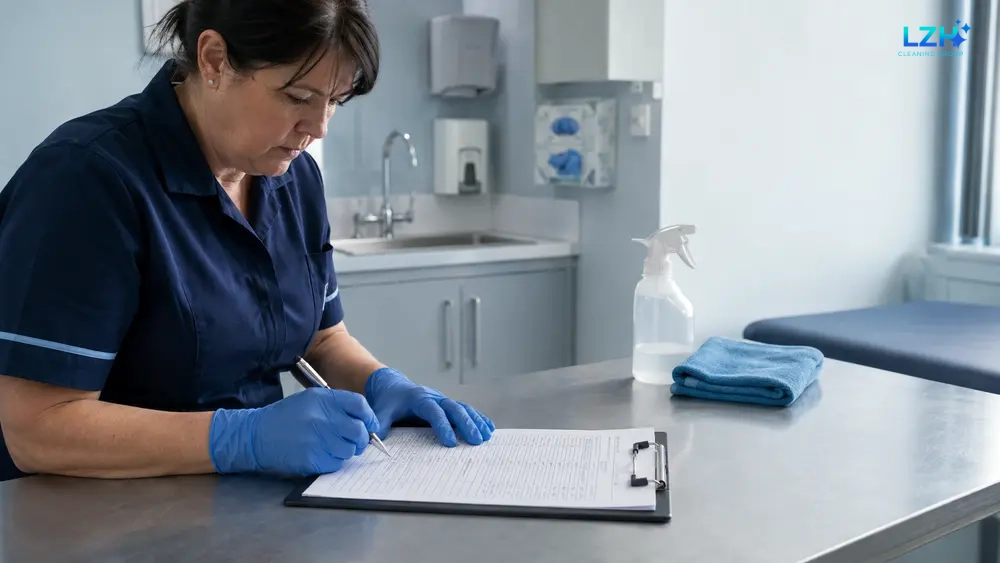
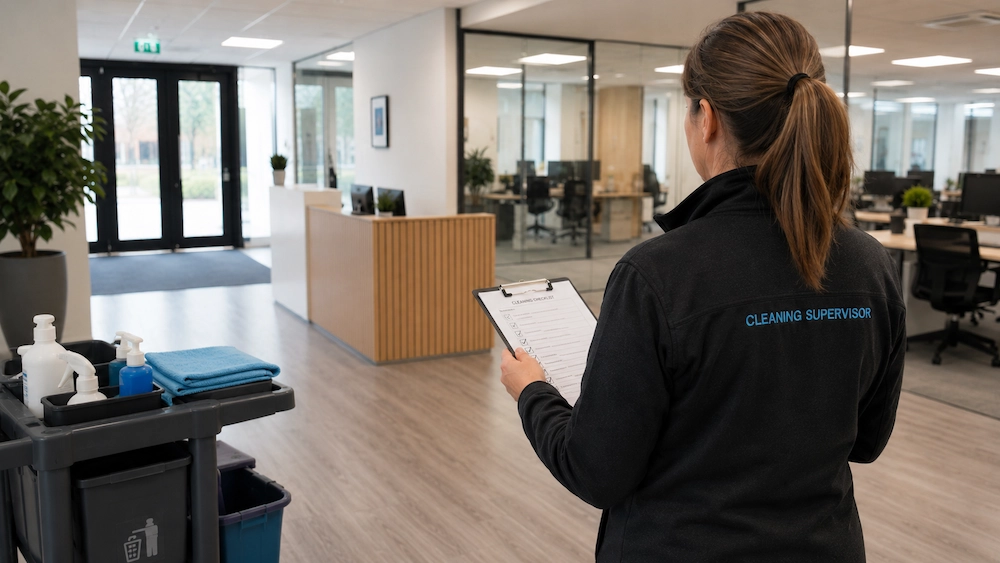
If possible, a supervisor or lead cleaner should review the work before leaving. This helps catch obvious issues while they can still be corrected.
Even when daily checks are in place, regular site reviews are useful. These give both the client and cleaning provider a chance to review standards, adjust priorities, and discuss any changes in the building.
Staff should know how to report issues without making the process difficult. A named contact, shared log, or agreed feedback method can prevent small concerns from being missed.
Cleaning needs to change. Staff numbers rise, footfall increases, weather affects entrances, events create extra waste, and refurbishments bring dust. The cleaning plan should be flexible enough to respond.
Weak quality checks often lead to the same issues cropping up repeatedly, such as missed bins, poorly stocked washrooms, visible dust, inconsistent cleaning, or recurring complaints. Poor communication, unclear checks, or resistance to feedback are also warning signs that quality control may be lacking.
Use this simple post-visit checklist to quickly confirm cleaning standards and identify any areas needing attention.
LZH Cleaning Group provides commercial cleaning for offices, warehouses, schools, healthcare facilities, communal spaces, and other businesses across Bedford and nearby areas. Their cleaning plans are tailored to each site, with flexible schedules and clear quality standards to help maintain consistent results.
With DBS-checked operatives, full insurance, and a focus on reliability, they make it easier for businesses to keep cleaning standards on track. Their practical approach helps business owners, landlords, facilities managers, and site managers stay confident that cleaning requirements are being met.
LZH Cleaning Group can help you keep your premises clean, presentable, and ready for the people who use them every day. Whether you manage an office, warehouse, school, healthcare setting, communal building, retail space, or commercial site, their team can create a cleaning plan that fits your schedule and priorities.