Deep Cleaning vs Regular Cleaning: The Difference Most Businesses Notice Too Late
Learn the difference between deep cleaning and regular cleaning, what each includes, and when your premises may need one or both.

Many businesses only think about cleaning when something starts to feel off. It might be a bad smell in the washroom, dusty meeting rooms before a client arrives, sticky kitchen benches, or staff starting to complain about the state of the space.
That is where business cleanliness starts to matter more than people expect. When standards slip, the cost is not just about appearance. It can affect trust, staff morale, productivity, safety, and the overall feel of the workplace from one day to the next.
Clean premises say a lot before anyone speaks. Whether you run an office, clinic, warehouse, school, shared workspace, or customer-facing site, people pick up on the little things quickly.
A tidy entrance, fresh-smelling washroom, clean floors, and dust-free surfaces help your business feel well run and cared for. It is not about making the place look perfect. It is about keeping standards steady so people feel comfortable, confident, and looked after.
People form opinions quickly, and the condition of your premises often becomes part of that judgement. If reception desks are dusty, bins are overflowing, or toilets feel neglected, visitors may assume the same lack of care exists elsewhere in the business.
That can be a problem for offices meeting clients, schools welcoming parents, healthcare settings supporting patients, or hospitality spaces relying on repeat custom. A messy environment makes people question standards, even if your team is excellent at what they do.
It is easy to talk about clients, but employees are often the first people affected by poor cleaning standards. They use the kitchens, toilets, desks, shared equipment, and breakout areas every day, so they feel the impact long before a visitor does.
When staff work in a space that feels dirty or poorly maintained, it chips away at morale. It can also create friction, with people blaming each other for mess or feeling that the business is not doing its part to provide a decent working environment.
Most businesses understand that visible dirt is not ideal. What gets missed is the chain reaction that follows when cleaning is inconsistent, rushed, or unclear.
The cost of poor business cleanliness often shows up in small losses first. A few complaints here, a bit more wear and tear there, lower staff satisfaction, and time wasted dealing with issues that could have been prevented.
A dirty or cluttered workplace makes it harder for people to focus and work well. It also wastes time when staff end up dealing with problems themselves.
This often shows up in small but costly ways:
Shared spaces can pick up germs quickly, especially on high-touch surfaces. Without regular cleaning, that can lead to:
Neglecting routine cleaning can wear your workspace out faster. Floors, carpets, washrooms, and surfaces all suffer when dirt builds up, and cutting cleaning too far often leads to bigger costs later through repairs, replacements, deep cleans, and ongoing complaints.

Customers rarely complain straight away about poor cleanliness. More often, they leave with less confidence in your business. A clean, well-kept space builds trust and helps people feel your business is organised, professional, and properly managed from the start overall.
Most businesses do not ignore cleanliness on purpose. The trouble usually starts when cleaning responsibility is vague, the schedule is too light, or the scope no longer matches the demands of the space.
This is especially common in growing businesses. What worked when you had a small team or lower foot traffic may stop working once the site gets busier, shared areas get used more often, or customer expectations increase.
A quick tidy can be useful, but it is not the same as proper cleaning. Straightening chairs, emptying a few bins, and wiping obvious marks might improve appearance for an hour or two, but it does not deal with the build-up that causes bigger problems.
This is where many workplaces get caught out. Everything looks acceptable on the surface, but the deeper hygiene issues, missed corners, and neglected touchpoints keep piling up in the background.
Reception spaces, washrooms, kitchens, corridors, lifts, and shared equipment tend to take the most daily wear. They are also the areas people judge most quickly.
If your cleaning routine does not prioritise these spaces properly, complaints usually start there first. Once those areas slip, the whole workplace feels less cared for.
Some spaces simply need more attention than others. A quiet office with a small team has very different cleaning needs from a busy commercial site, a school, a healthcare setting, or a venue that sees constant footfall.
One of the biggest mistakes businesses make is sticking with an old routine long after the workplace has changed. A schedule that is too light can make the whole site feel like it is always one step behind.
Strong cleaning standards are not about overcomplicating things. They come from having a clear scope, the right frequency, and a routine that reflects how the building is actually used.
That means knowing which areas need daily attention, which tasks need weekly or periodic care, and which touchpoints cannot be left to chance. It also means having accountability, so standards stay consistent instead of dropping between visits.
Vague cleaning plans lead to missed tasks, mixed standards, and regular complaints. A stronger approach is simple and specific, with clear priorities around high-use areas, hygiene, appearance, and the issues most likely to affect staff, visitors, and daily operations.
Cleaning needs vary by business. Some sites need daily support, while others need fewer visits or a schedule built around shifts, trading hours, and busy periods. When cleaning fits your operations properly, it supports the team without causing daily disruption.
A strong clean means little if standards slip the next week. Quality checks keep cleaning consistent, spot issues early, and make sure the work still matches the needs of the business, rather than drifting over time or missing important details.
There comes a point when quick tidy-ups and patchy routines stop being enough. What seems manageable at first often turns into the same problems coming back, whether that is complaints, missed areas, or a workplace that never quite feels properly looked after.
That is where professional cleaning support starts to make sense. Instead of reacting when things slip, you have a clear routine built around your site, your foot traffic, and the standard you want to keep, which makes day-to-day life easier for everyone. For businesses reviewing their commercial cleaning options, that kind of structure can make a noticeable difference.
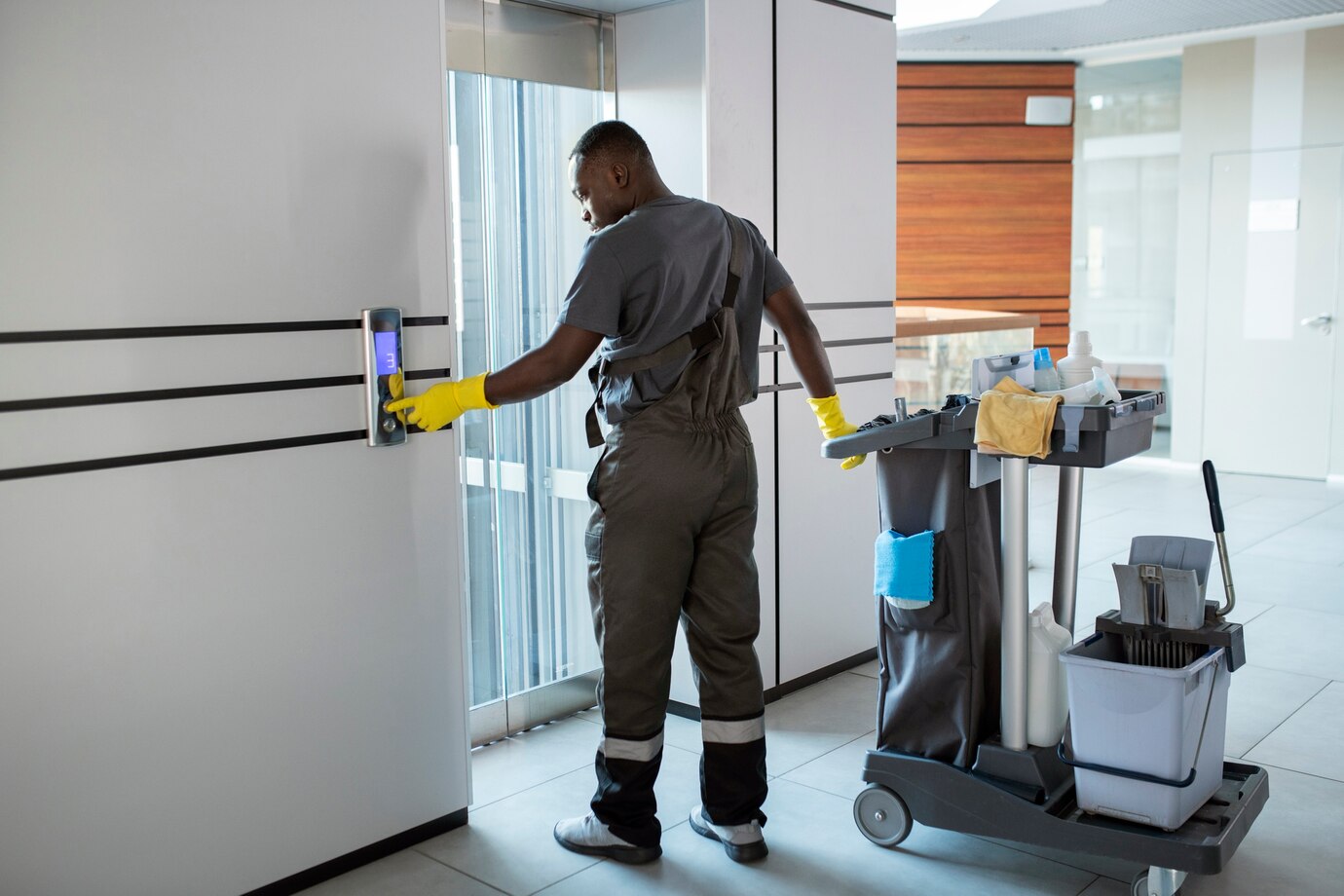
LZH Cleaning Group takes a practical approach to commercial cleaning for businesses in Bedford and nearby areas. They focus on flexible schedules, tailored cleaning plans, and steady standards, which is exactly what many businesses need when they want things done properly without extra hassle.
They also work across different types of sites, from offices and warehouses to schools, healthcare spaces, and event venues. That matters because every workplace has its own demands, and good cleaning should feel reliable, well managed, and suited to the way the site actually runs.
If your current setup feels inconsistent, reactive, or simply no longer fit for purpose, now is a good time to review it. LZH Cleaning Group provides tailored commercial cleaning support for businesses that want cleaner spaces, clearer routines, and a more reliable standard day after day.